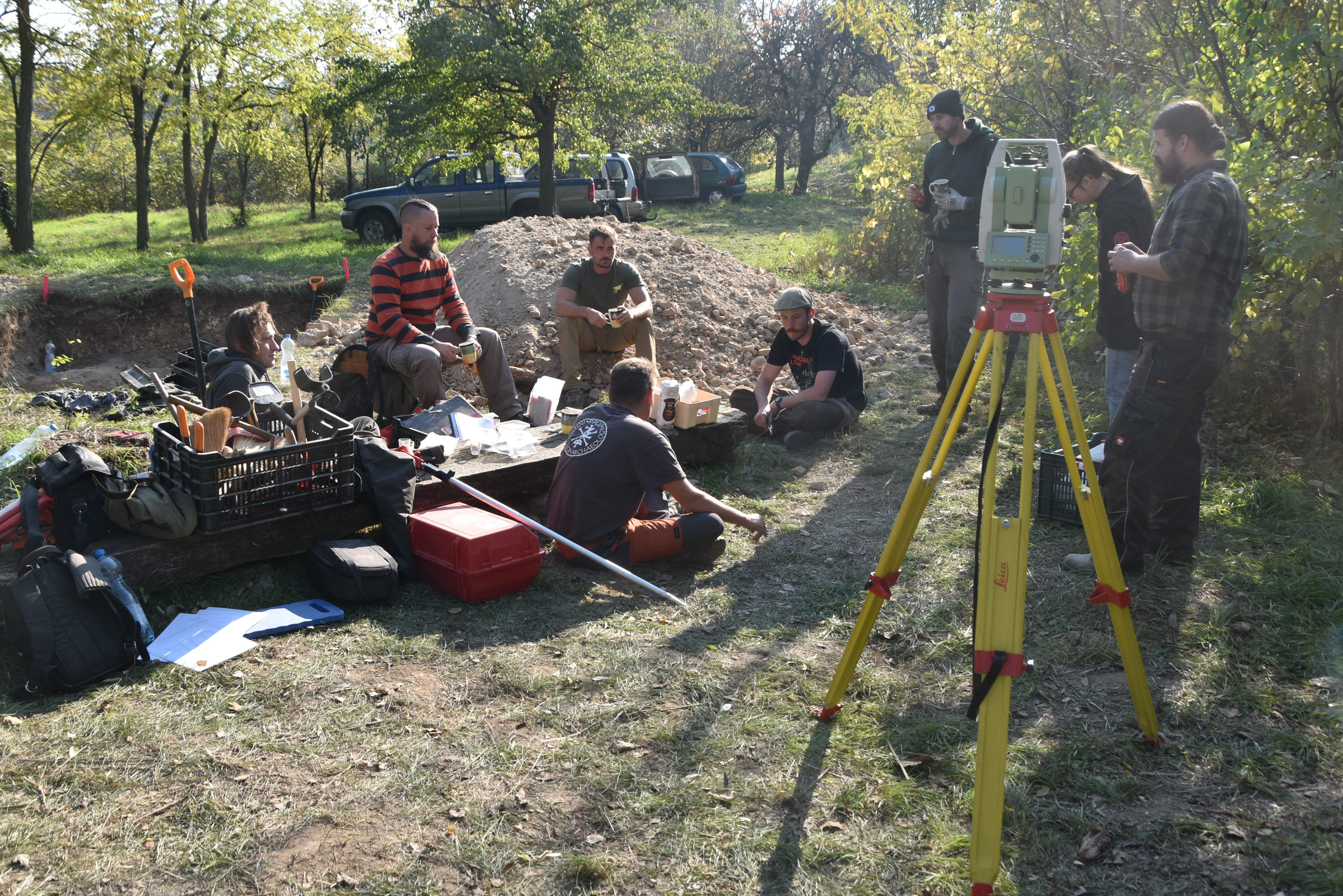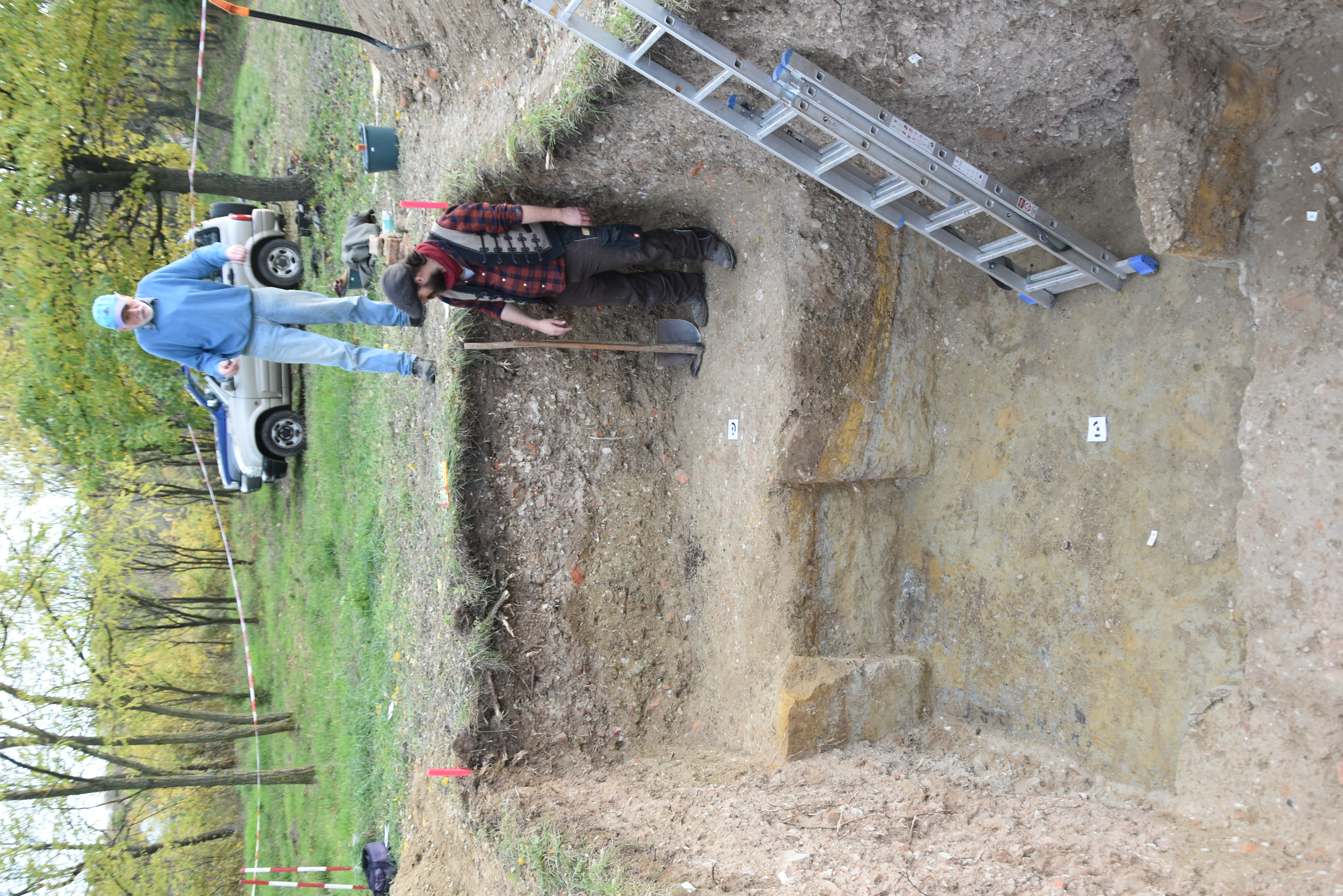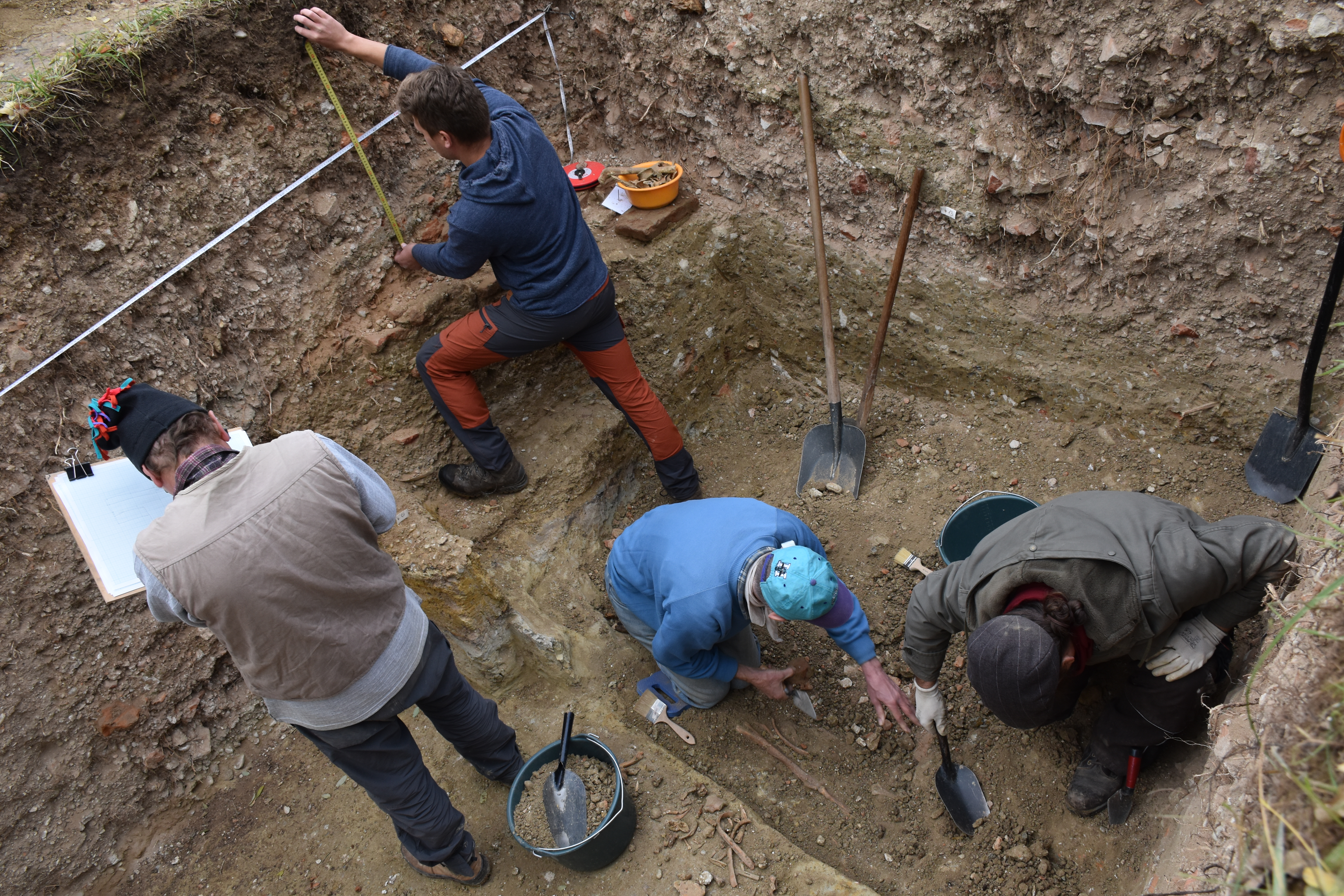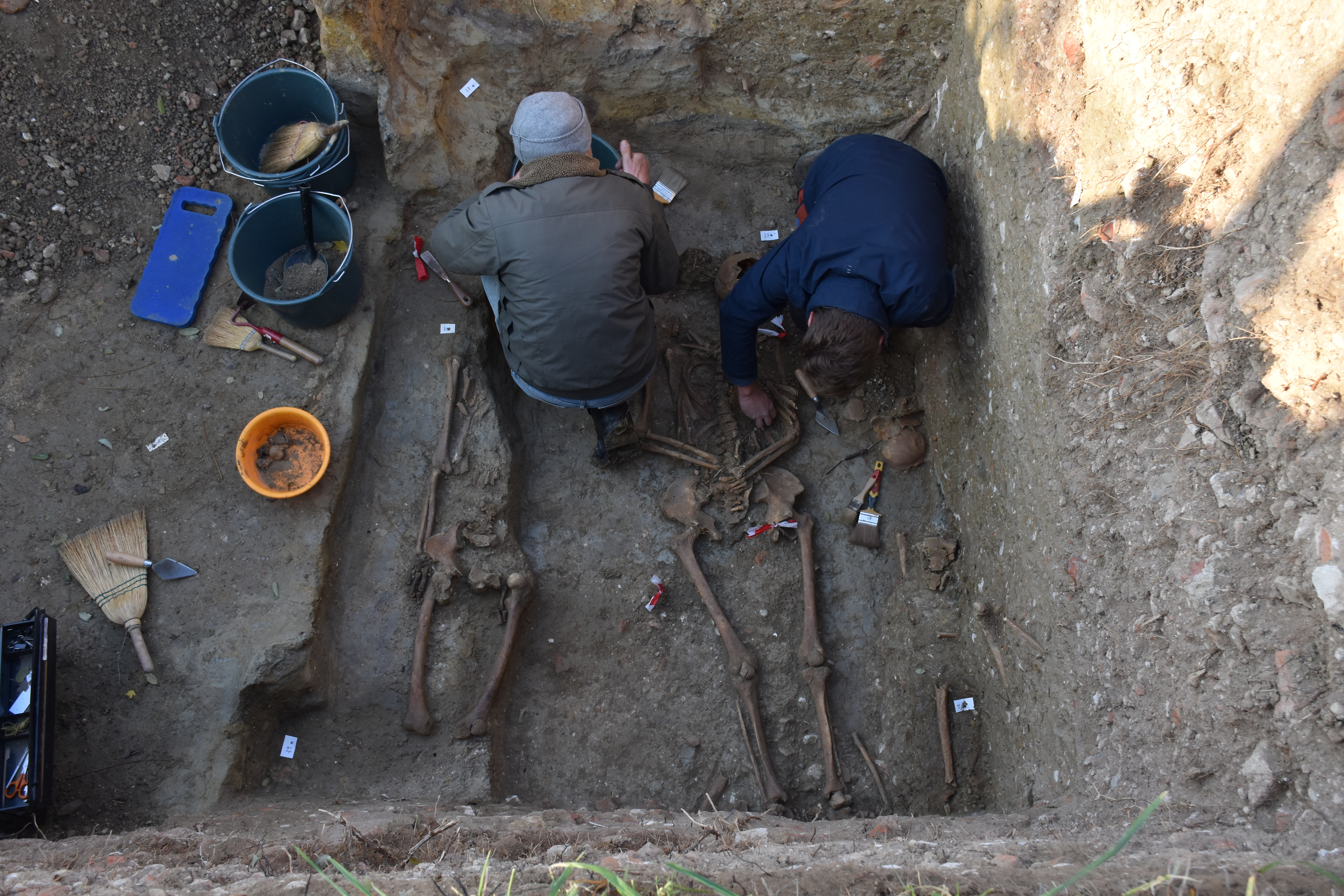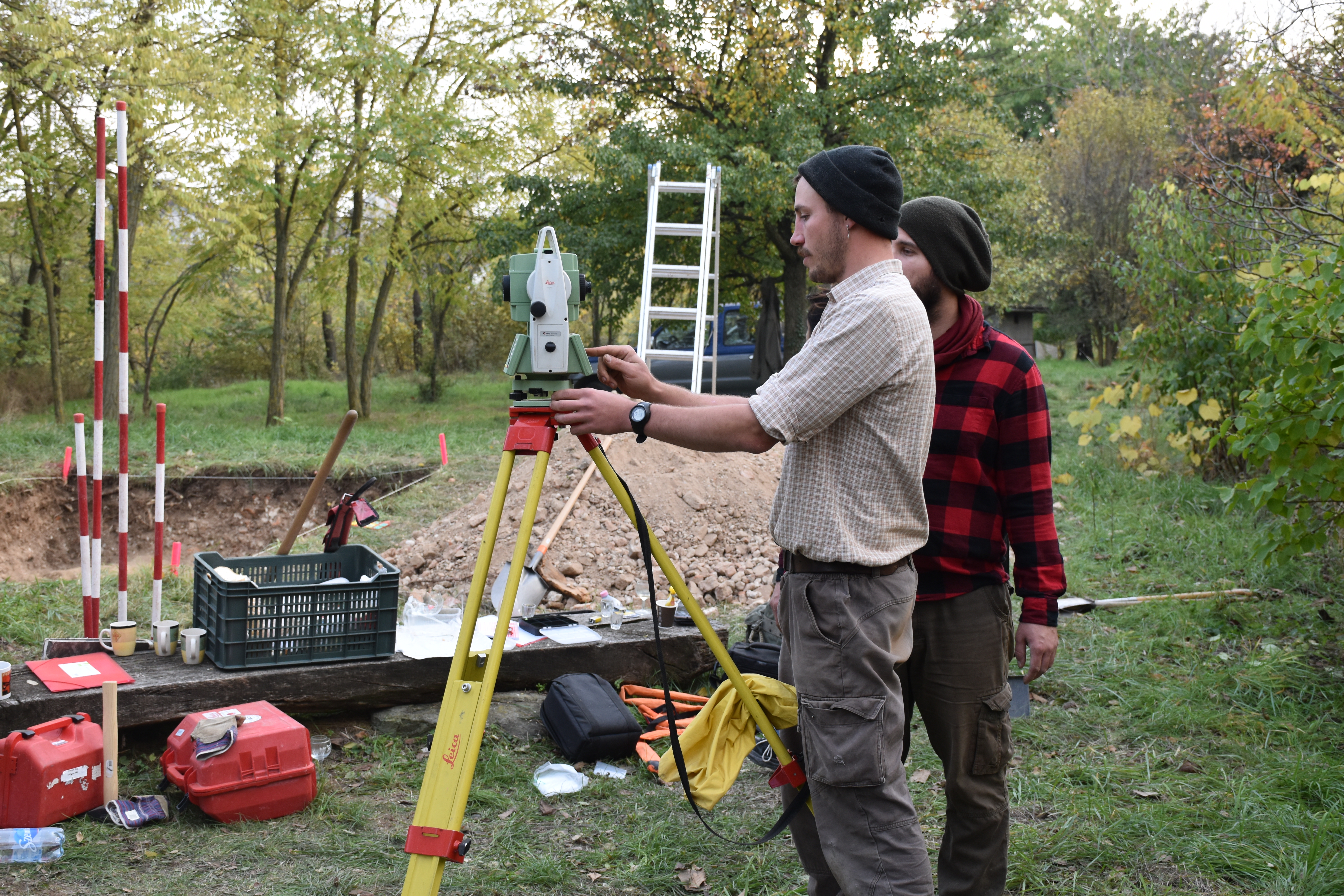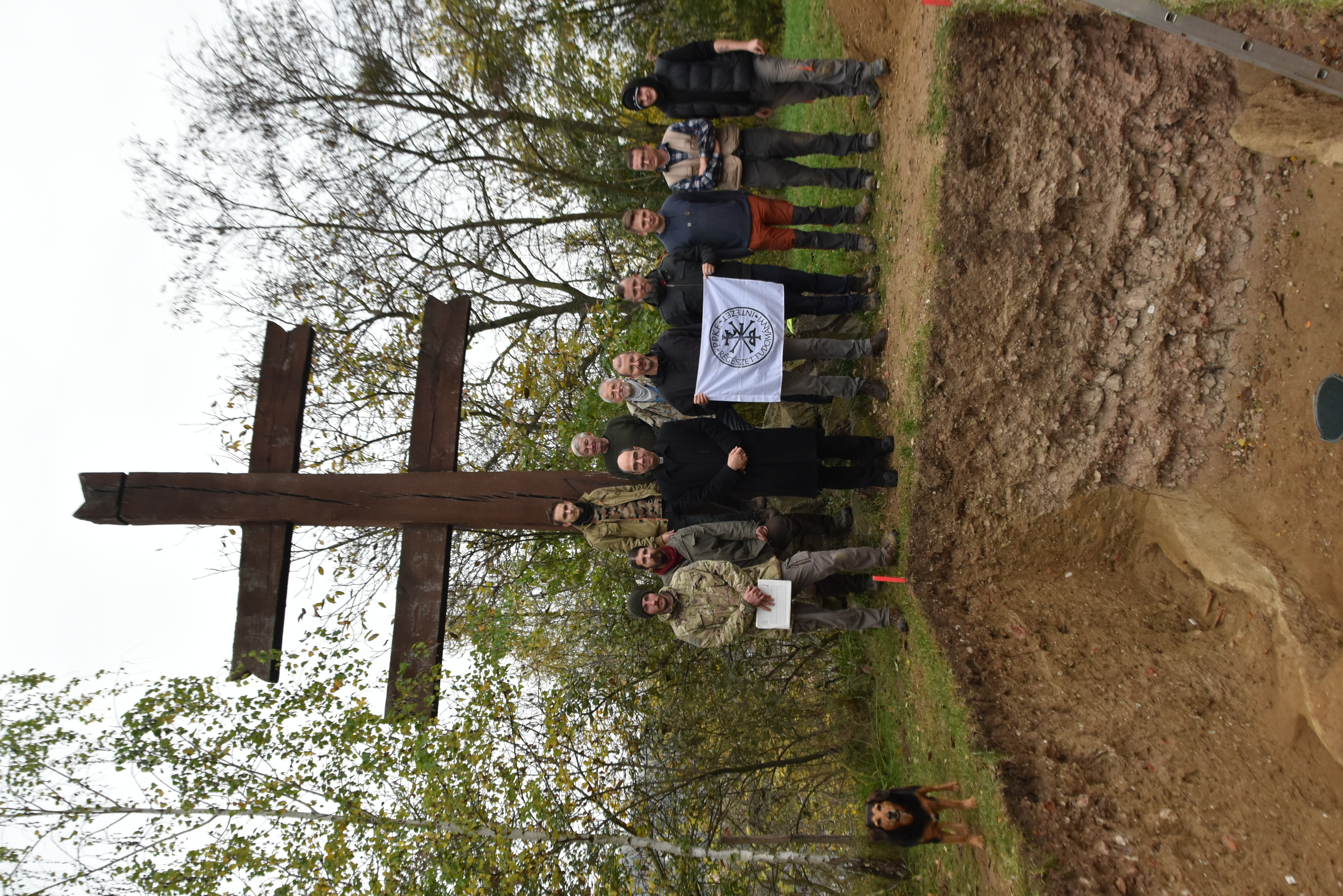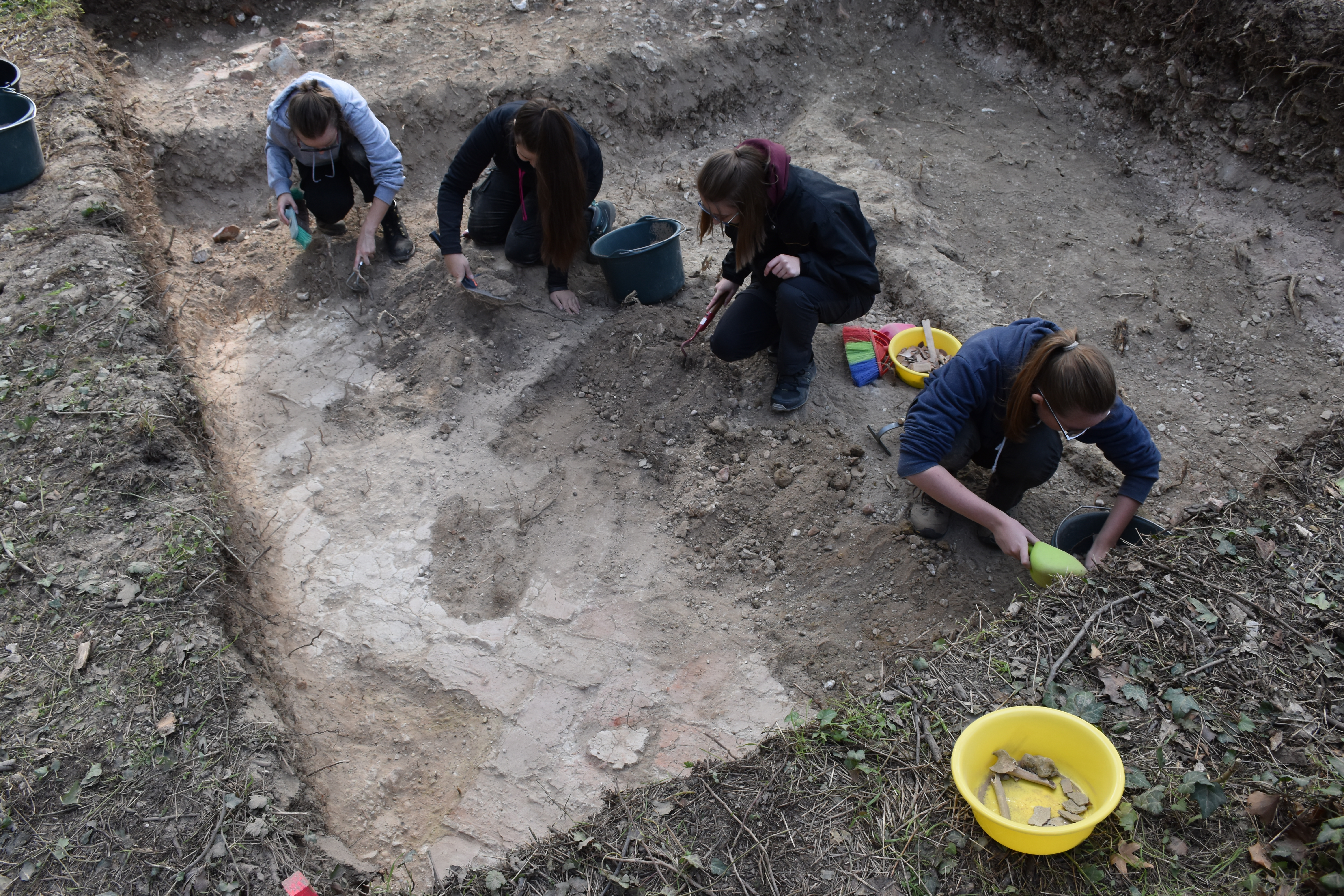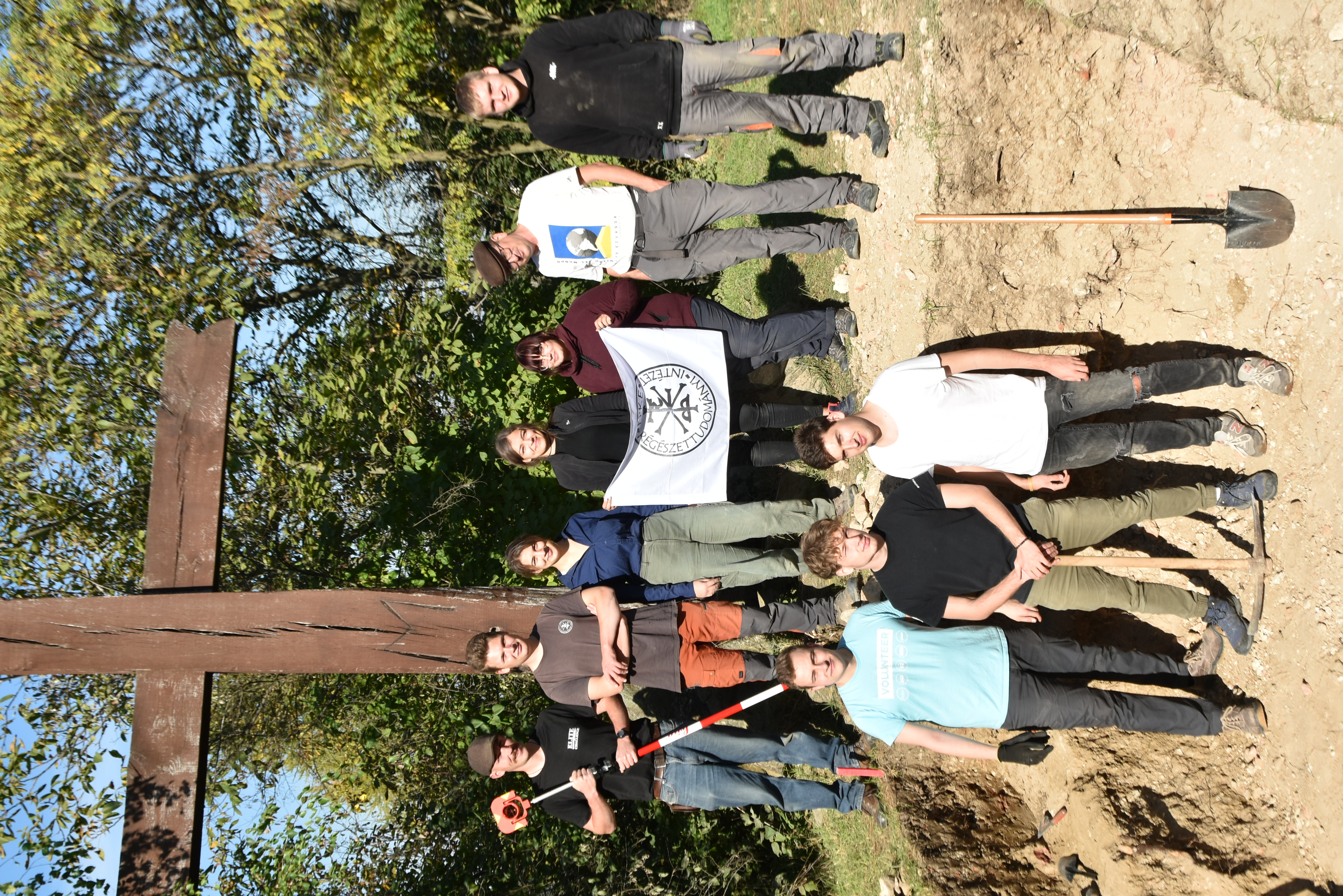
Since 2017, our Institute has been conducting field research in Vasvár (Vas County) and its immediate surroundings in cooperation with the Vasvár Museum and the Savaria Museum.
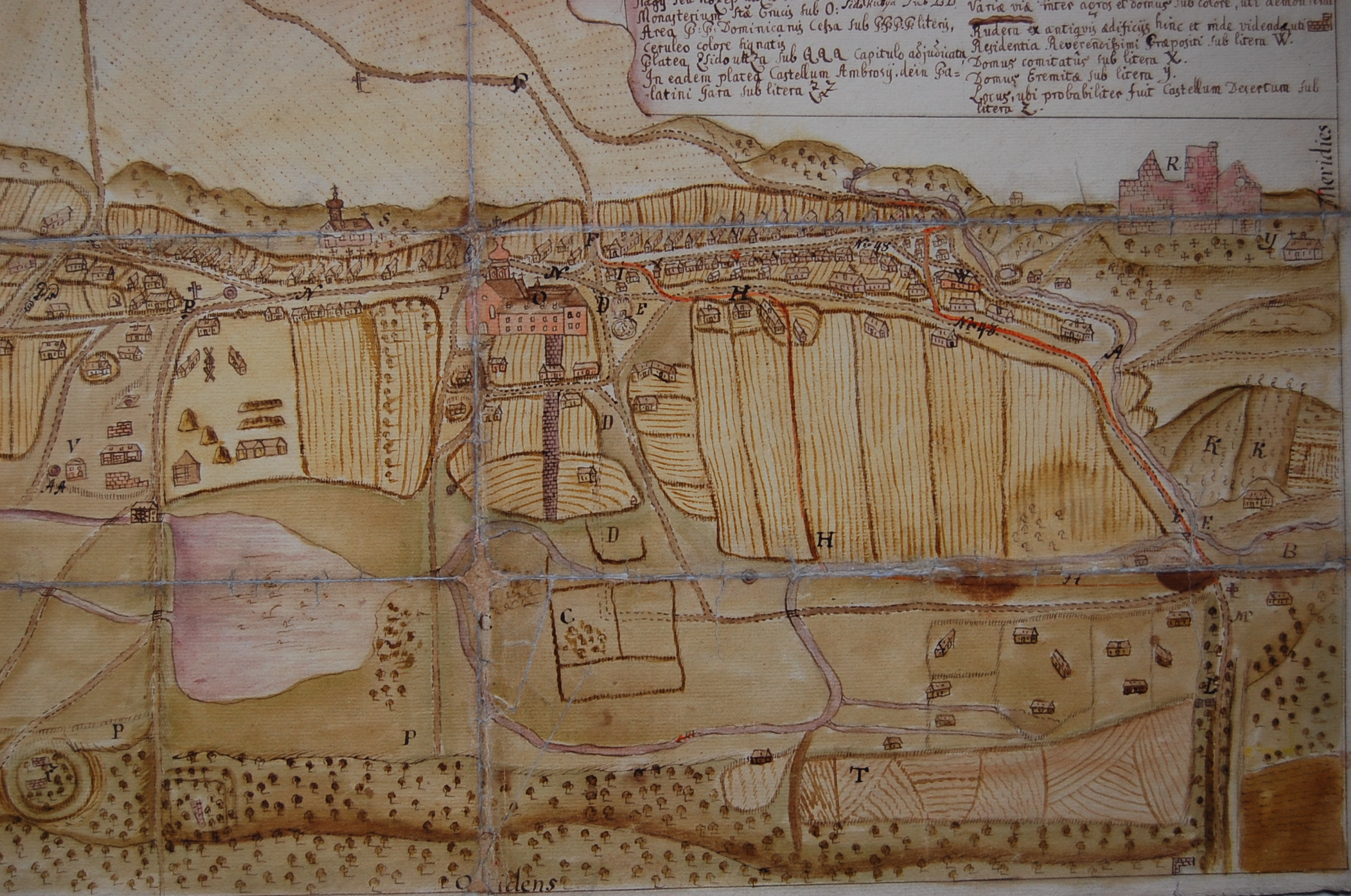
This is an exceptionally important site in the history of the county, as until the Ottoman period the town served as the county seat. It was also home to the collegiate chapter of St. Michael, which functioned as a locus credibilis (place of authentication), meaning that the majority of medieval charters concerning the region were issued here.
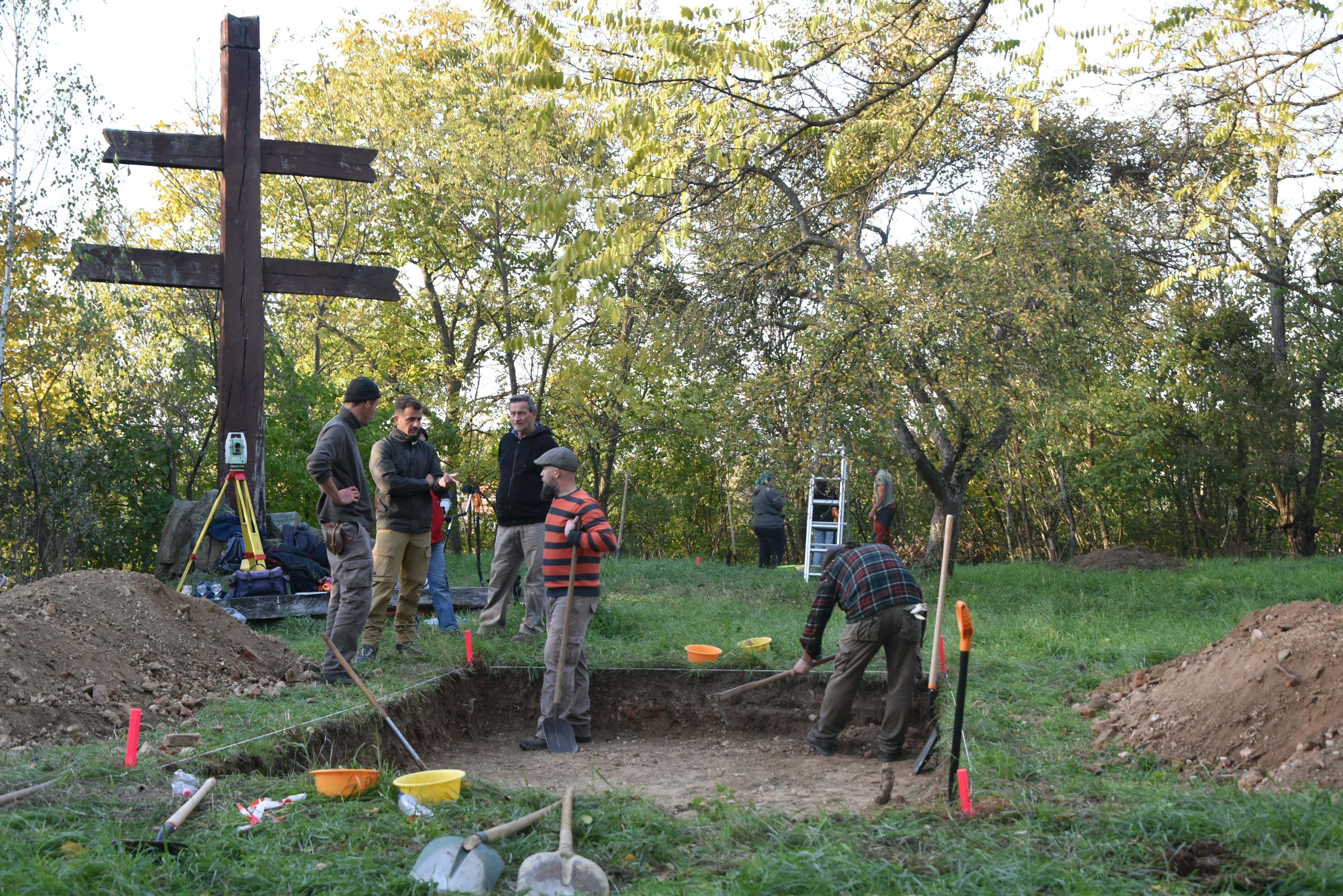
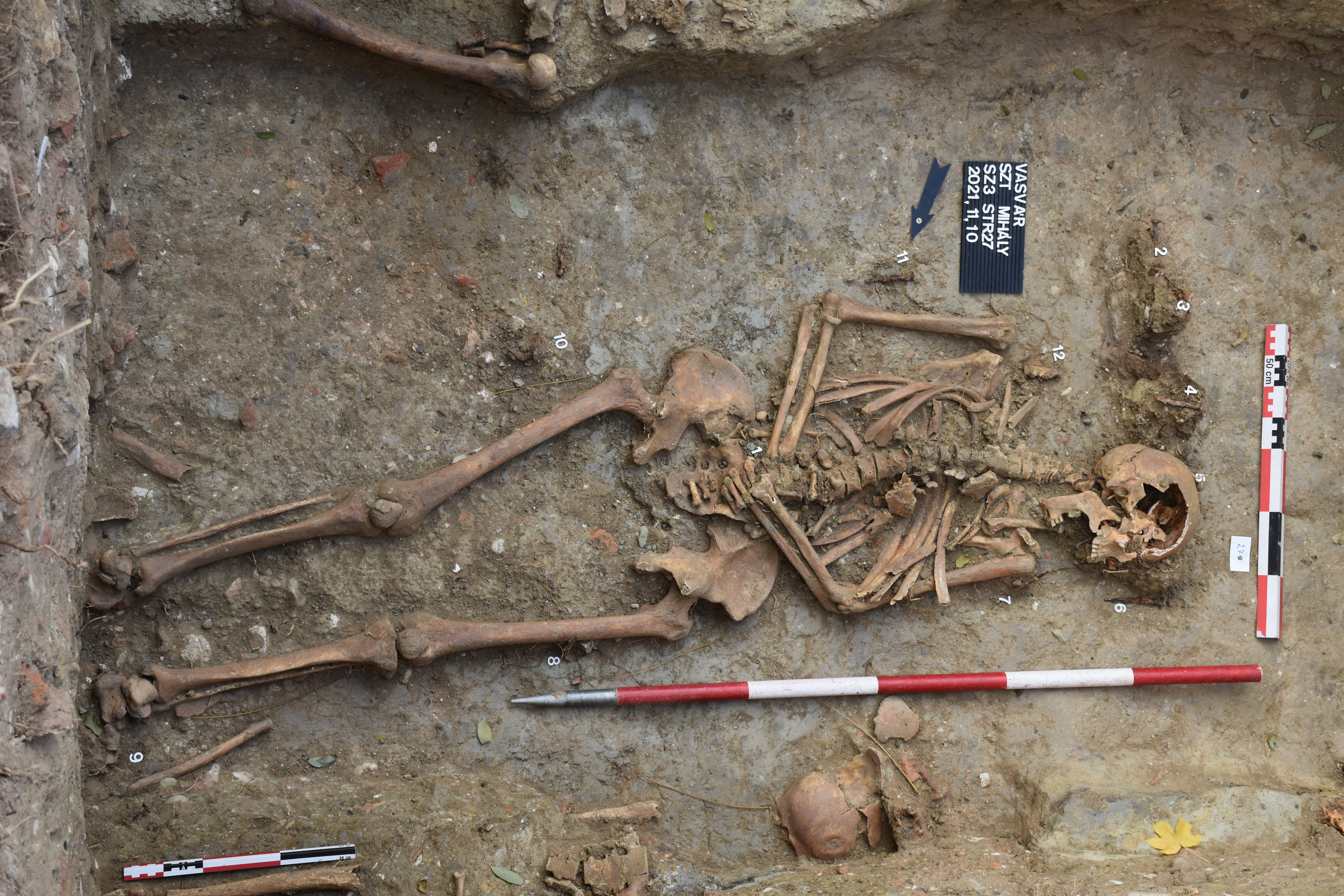
Due to the Ottoman threat, the chapter moved to Szombathely, and by today its former church has completely disappeared from the surface. Our research began in 2017 with the precise identification of the location of the chapter church using ground-penetrating radar surveys, followed by two excavation seasons in 2021–2022.
The fieldwork has yielded numerous new results regarding the architectural details and chronology of the church. In addition to the excavated graves, a significant body of medieval and early modern finds has also been recovered. Alongside the continuation of fieldwork, the processing of the finds has begun within the framework of MA theses.
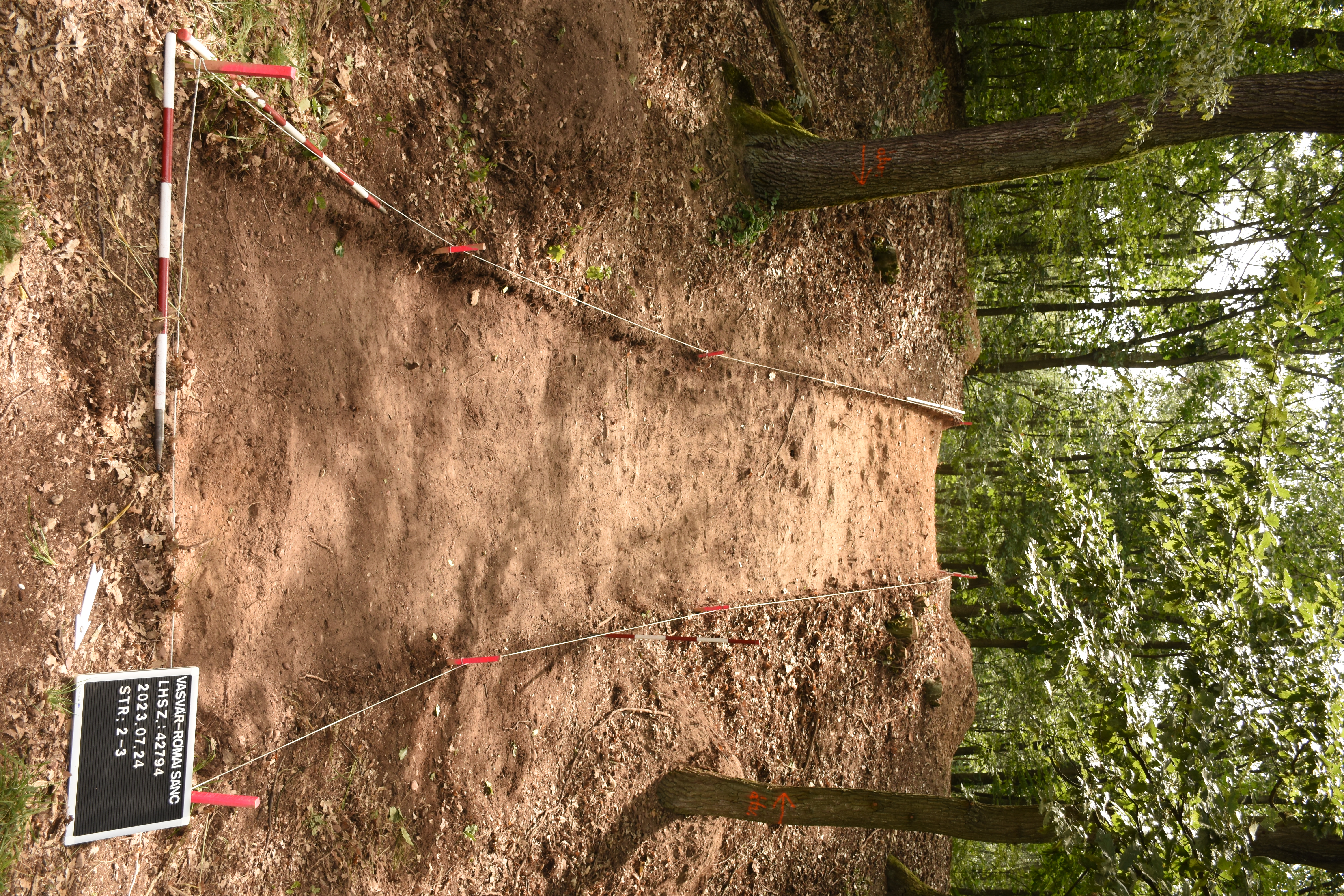
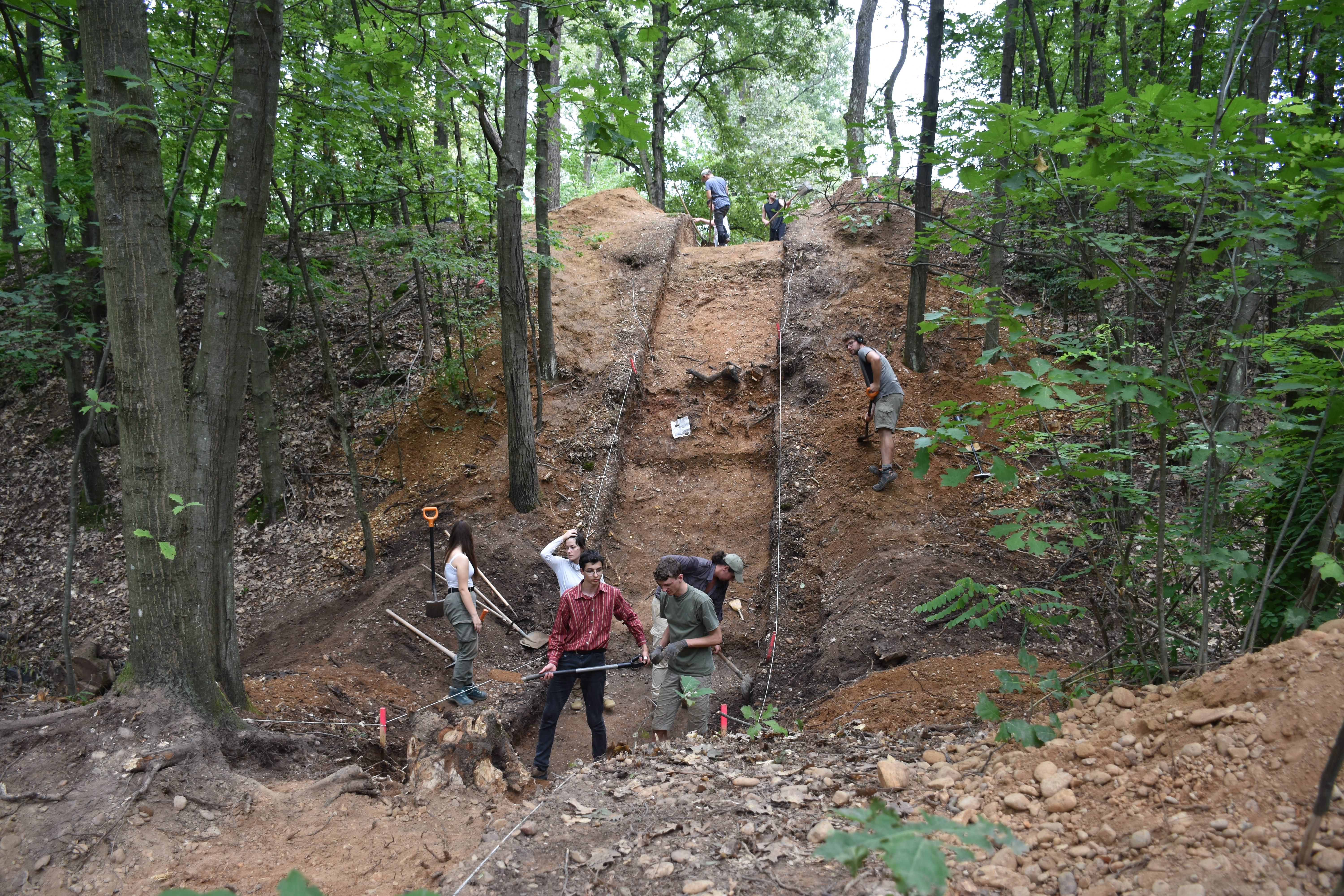
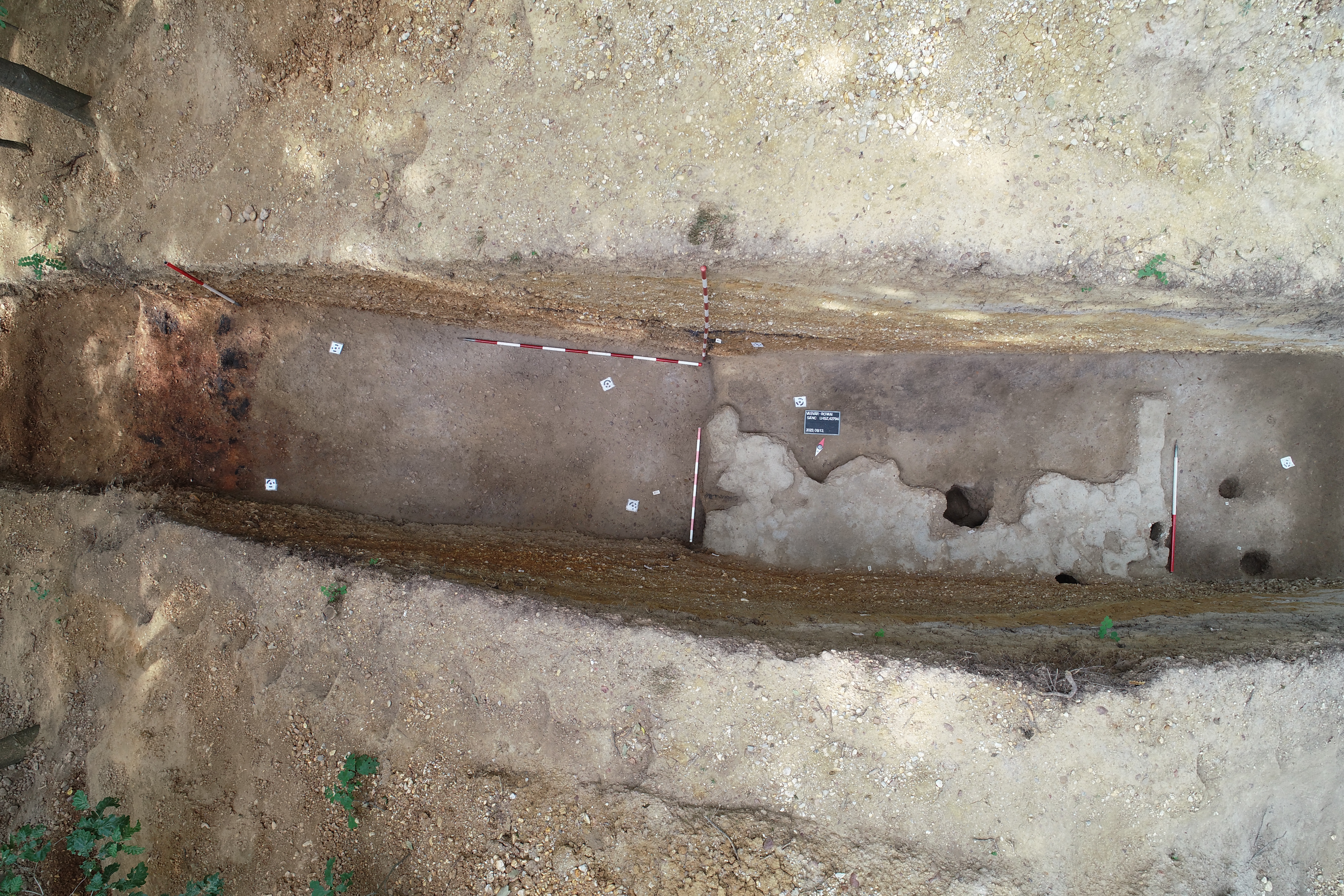
Another highly important site of national significance is the so-called “Roman Rampart” located south of the town. This defensive structure closes off the Hegyhát region and the route running along its ridge, which has been in use since Roman times. The rampart was constructed during the period of the Hungarian state foundation, and thanks to its location—largely within forested terrain—it is one of the best-preserved structures of its kind in Hungary.
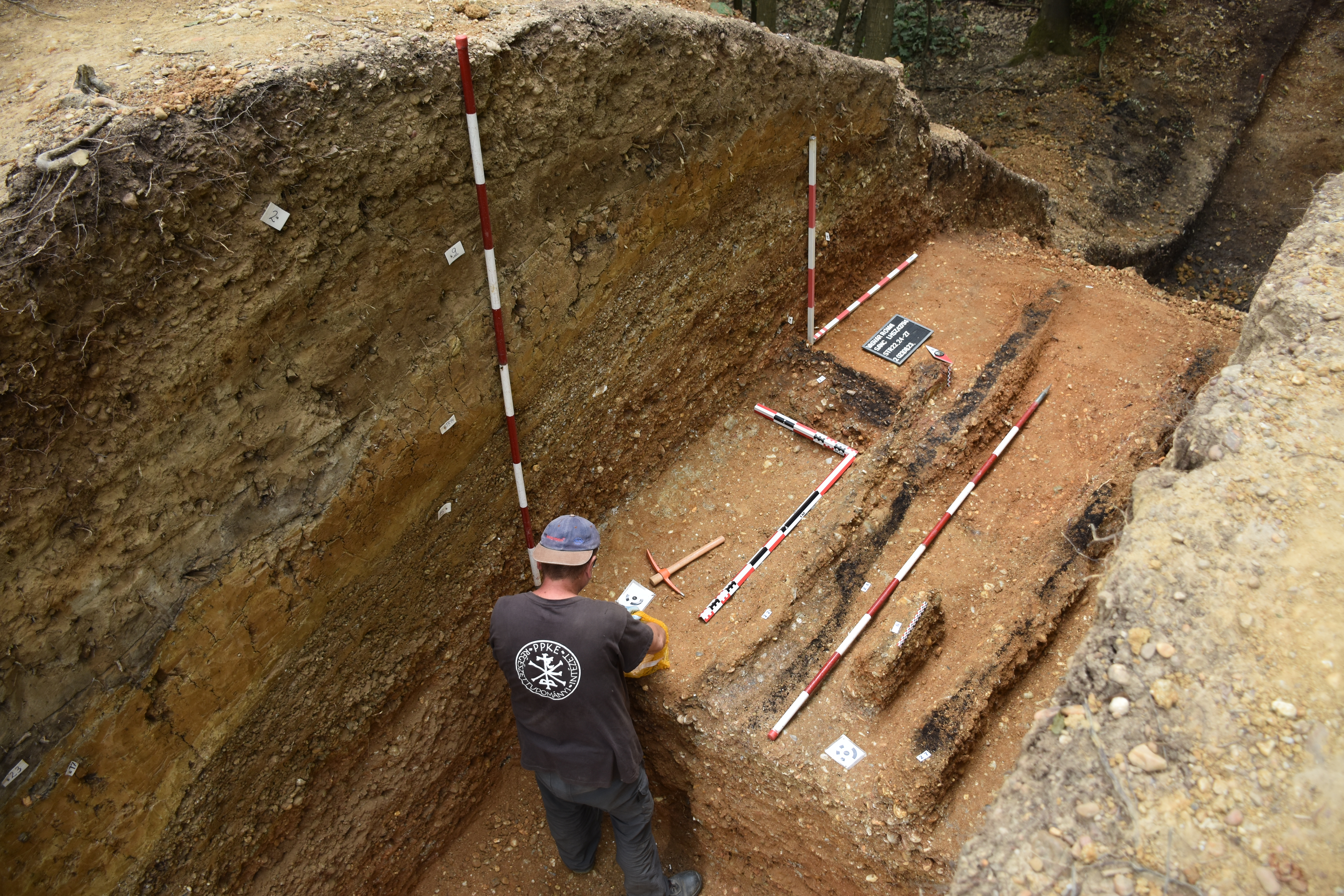
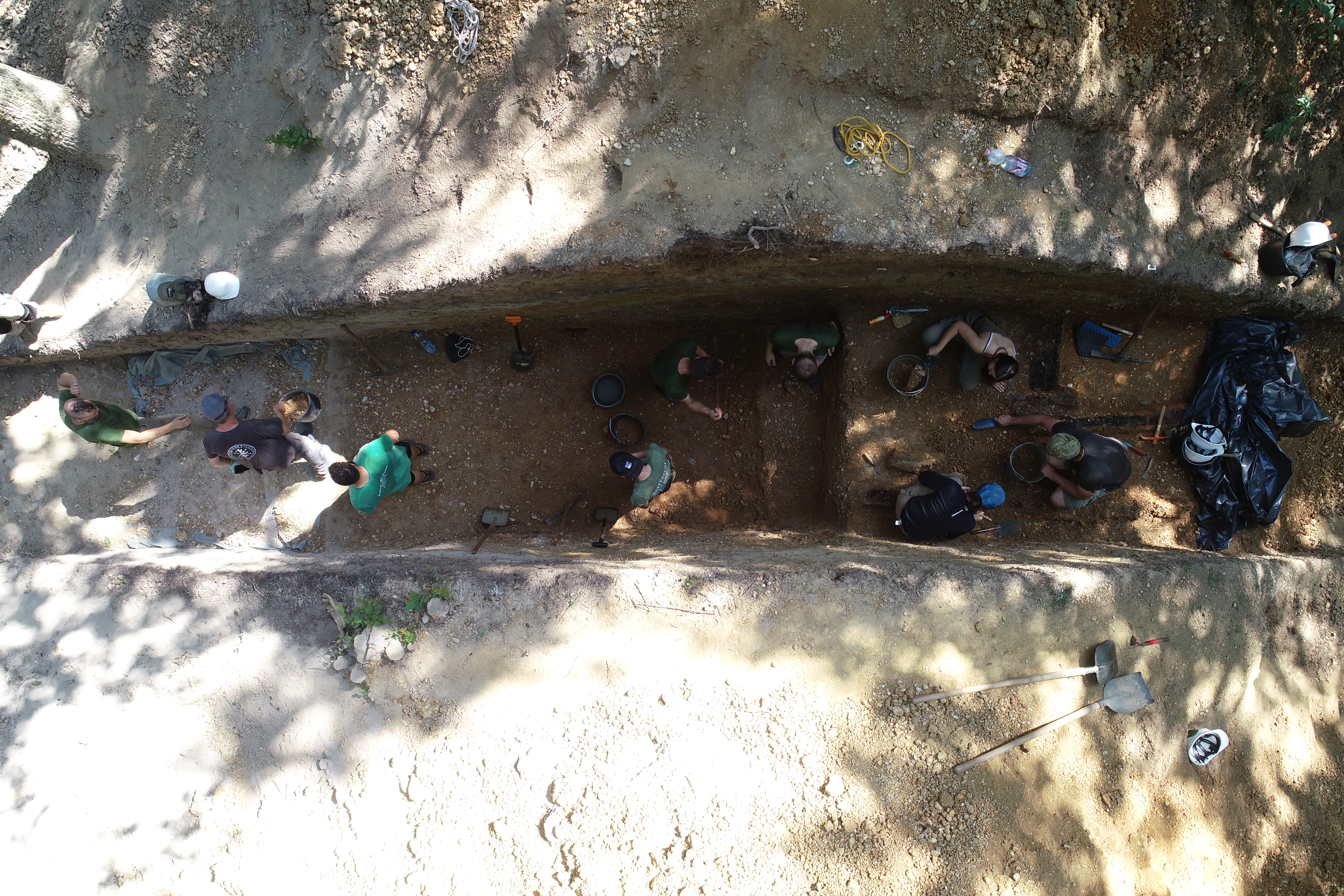
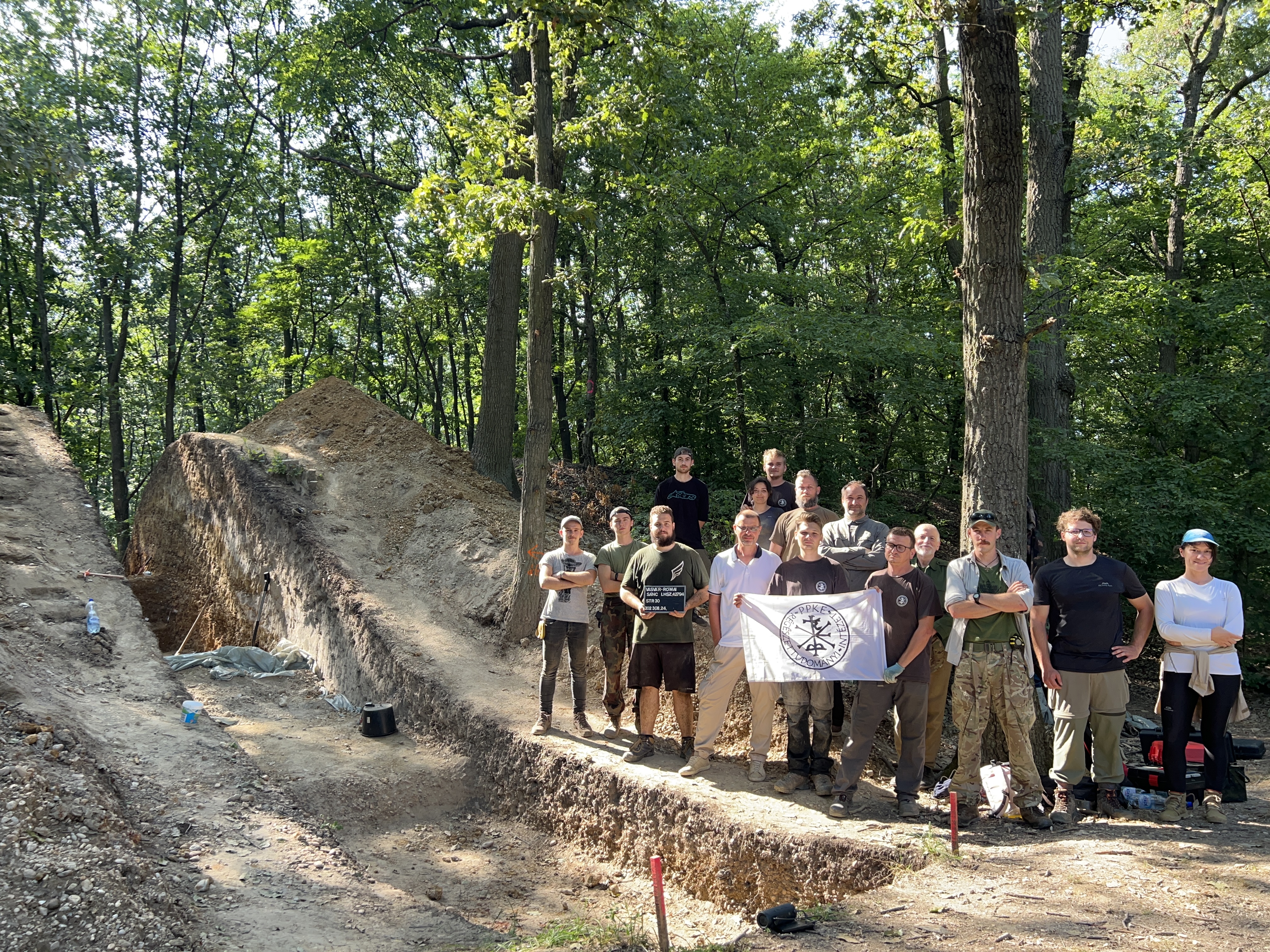
In the summer and early autumn of 2023, we examined the structure and construction history of the rampart through a full cross-section excavation. Due to the exclusive use of manual excavation methods, the original timber structure could be documented and analyzed in exceptional detail. This work was complemented by metal-detector surveys along the line of the rampart, which yielded notable medieval finds and identified specific zones of activity.
These investigations represent the first steps of a long-term research program. Both the town and its micro-region are extremely rich in important archaeological sites, and in the coming years—while continuing work at the already initiated locations—we plan to carry out further excavations.
Research director: Bertalan Zágorhidi Czigány